The Summer Slide Is Real: How to Keep Your Child’s Brain Sharp All Summer
Two months off. Months of forgotten material. And then your kid walks back into a classroom expected to start sharper than they finished. Here’s the smarter way.
The last bell rings. The backpacks come off. And for about 72 hours, summer feels like the reward your kid earned for nine hard months of work.
Then something quieter happens. Something most parents don’t notice until late August, when homework suddenly feels harder than it should and a teacher mentions, gently, that your child seems “a little behind where they were in May.”
That’s not your imagination. It’s called the summer slide, and the research is sobering.
Other research shows that between 70 and 78 percent of students experience a decline in math skills over the summer. The summer between 5th and 6th grade hits hardest, with 84 percent of students sliding backward. By 5th grade, kids affected by summer learning loss can lag behind their peers by 2.5 to 3 years.
Two months off. Months of forgotten material. And then your child walks back into a classroom expected to start sharper than they finished.
The good news: this isn’t a problem you fix by drilling worksheets at the kitchen table while everyone resents it. There’s a much smarter way, and it takes about 15 minutes a day.
Why Summer Hits Kids Harder Than Anyone Thinks
The summer slide isn’t a “kids forget some facts” problem. It’s a brain underuse problem.
During the school year, your child’s brain is working out constantly. Focus. Memory. Processing speed. Sequencing instructions. Holding three things in their head while solving a fourth. Those aren’t subjects. Those are cognitive skills, and like any muscle, they get weaker fast when nothing is asking them to perform.
Researchers who study summer regression point to one root cause consistently: the disruption of routine. In one national teacher survey, 71 percent ranked the loss of consistent daily routine as a top-three contributor to summer learning loss. It’s not that kids get dumber in June. It’s that the daily reps stop.
And the kids who already struggle lose the most. Students with disabilities lose 1.2 to 2.1 RIT points per month during summer, compared to 0.4 to 0.8 for their general-education peers. That gap widens every year it goes unaddressed.
The Deeper Problem: It Was Never Really in Long-Term Memory
Here’s something most “summer slide” conversations miss. Yes, kids forget over the summer. But a lot of what gets forgotten was never solidly learned in the first place.
Most school curricula teach a concept, test on it within a few weeks, and then move on. Real review of previously taught material is rare. So a skill gets exposed to the brain, briefly practiced, and then abandoned long before it has the chance to settle into long-term memory.
Math is the clearest example. Bob Doman, who founded NACD in 1979 and has been working with families for 45 years, puts it bluntly:
Read that again. Kids who take math through trig and calculus, who pass the tests, who walk across the stage with a diploma, often have functional math skills at a 6th to 8th grade level. The transcript and the actual ability don’t match.
That’s not a slide. That’s a foundation problem. And summer just makes it visible.
This Is Where Executive Function Comes In
So if exposure isn’t enough, what makes something actually stick? Executive function.
Executive function is the brain’s management system. It’s the set of skills that lets a child hold information in working memory long enough to actually encode it, sustain attention on a task long enough to practice it, and process information fast enough to connect new learning to what they already know. Without strong executive function, lessons pass through. With it, lessons stick.
The core executive function skills include:
- Working memory — holding and manipulating multiple pieces of information at once (the foundation of everything from reading comprehension to math word problems)
- Focus and sustained attention — staying on task long enough to actually encode what’s being taught
- Processing speed — how quickly the brain can take in and use information, which determines whether a kid can keep up with classroom pace
- Sequential processing — following multi-step instructions and seeing how steps connect, which is critical in math, writing, and complex reasoning
These aren’t subjects you study. They’re the cognitive infrastructure that determines how well you can study anything else. And like any skill, they get stronger with consistent, targeted practice — and weaker without it.
Summer break removes the structure that exercises these skills daily. School isn’t only teaching content; it’s giving your child’s executive function a constant workout. Take that workout away for two months and the skills soften, which is exactly when the foundation gaps from the school year become visible.
Here’s the part every parent should hear. The same body of research on summer regression shows that 22 to 38 percent of students actually gain academic skills over the summer when they have the right resources and a consistent routine.
The Smartest Thing You Can Do in 15 Minutes a Day
Simply Smarter is brain training designed by NACD, the National Association for Child Development. It’s built on 45 years of clinical practice and over 1 million hours of real work with families from age 3 to 103.
It is not flashcards. It is not a game. It is targeted training for the underlying executive function and cognitive skills that make every kind of learning easier: working memory, processing speed, focus, attention, and sequential processing.
In plain English, it strengthens the engine, not just the wheels.
A typical session is about 15 minutes. That’s less time than your child spends deciding what to watch on the iPad. The new Simply Smarter 2.0 platform automatically adjusts difficulty to each user through a Baseline Test that places them at exactly the right starting point. No frustration. No boredom. Just the right level of challenge, every single day.
What makes it different from the brain games you’ve seen advertised:
- Built on clinical work, not marketing. NACD has been doing this since 1979, long before “brain training” became a category that companies got fined by the FTC for over-promising.
- Trains the skills that make learning stick. Executive function isn’t a buzzword for us. It’s the core of what we exercise, because it’s what determines whether classroom content ever reaches long-term memory.
- Designed to grow with your child. Two main progressions (Kickstart for younger kids, Advanced for teens and adults) plus reward activities and spatial processing work. 79 activities in total, with no real ending. Just continued growth.
- A summer routine kids actually keep. Short sessions, daily progress, points and badges that make showing up feel like winning.
- Designed for ages 3 to 103. The rare program that works for the whole family: your 8-year-old, your teenager, you, and grandma.
Why the Family Plan Is the Smartest Summer Move You’ll Make
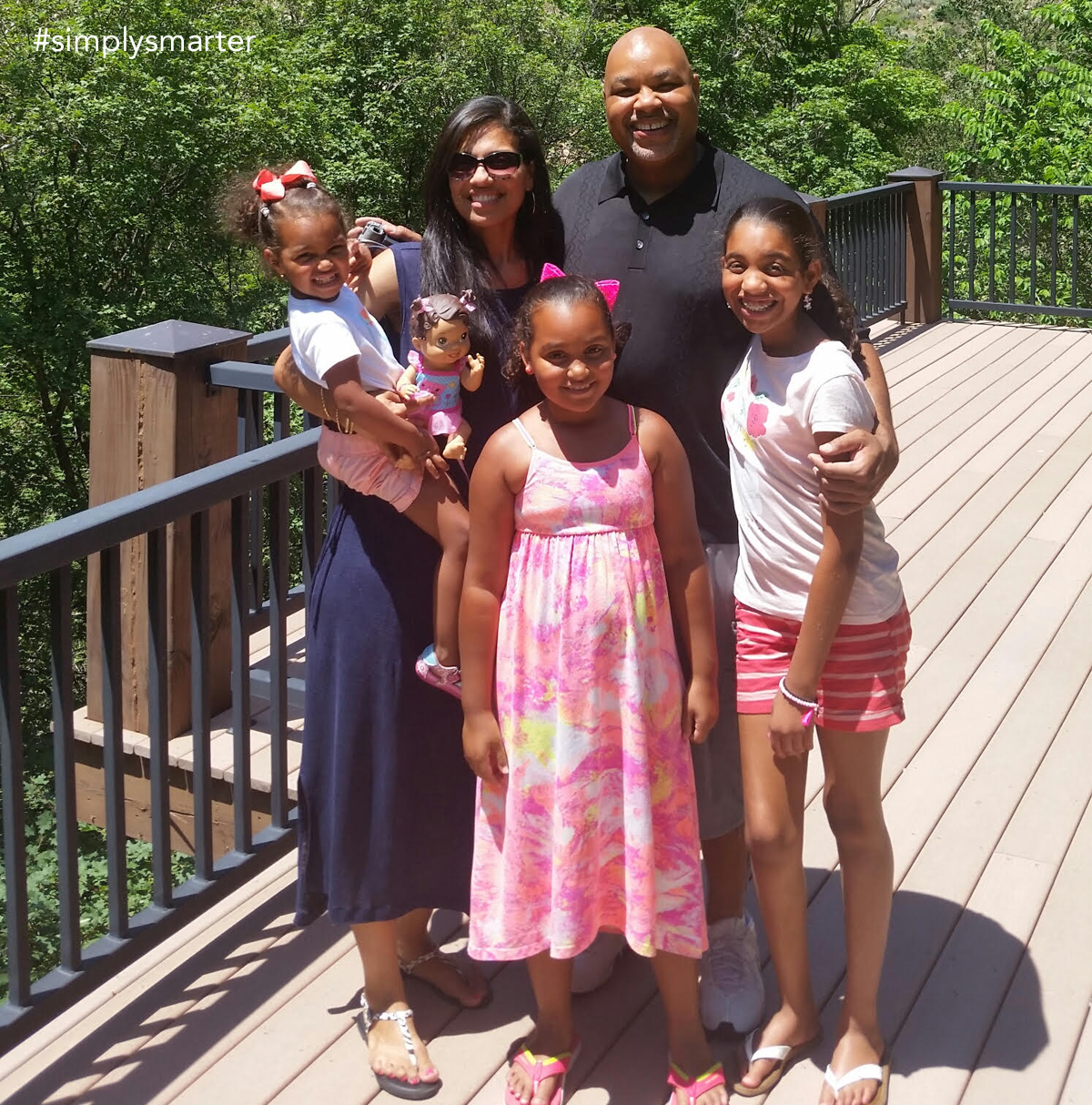
Here’s something most parents don’t realize until they try it. When one kid does brain training and the rest of the family doesn’t, it feels like homework. When the whole family does it together, it feels like a habit. And habits stick.
The Family Plan is built for exactly that. One account covers up to 10 learners plus a free Family Admin slot for a parent to manage everyone’s progress without using up a paid seat. Kids, teens, parents, grandparents — all on one plan.
You aren’t buying 15 minutes of screen time. You’re buying a summer where every kid in the house gets sharper instead of duller, and you can see the progress in real numbers.
The Cheapest, Easiest, Most Effective Summer Investment
Let’s be honest about what summer enrichment actually costs.
A week of brain-focused day camp runs $300 to $600. A private tutor at $60 an hour, twice a week for 10 weeks, costs $1,200. A premium learning subscription with no clinical foundation behind it runs around $200 a year — for one kid.
Simply Smarter’s Family Plan covers your whole household for less than what most families spend on a single week of summer camp.
And we want to make it even easier to start.
10% Off All Summer
Use this code at checkout for 10 percent off any plan through the summer.
For monthly subscriptions, take 10% off your first 3 months. For yearly subscriptions, take 10% off your first year.
Start with the 14-Day Free Trial
You don’t have to take my word for any of this. Start the 14-day free trial today. No commitment — your card isn’t charged until the trial ends, and you can cancel anytime before then. Just two weeks to see your child’s Baseline Test results, watch them complete real sessions, and decide for yourself whether the engagement and progress are real.
If you start today, your child can have a full two weeks of momentum built up before summer break even kicks into high gear.
Start Your Free 14-Day Trial
Pick the plan that fits your family. Use code SUMMER10 when you upgrade.
Start Free Trial →In September, when other kids walk back into school behind where they finished, yours will walk back in ahead — not because they memorized more facts, but because their executive function is sharper, their working memory holds more, and their brain is actually ready to learn.
That’s the difference between a summer that drains your child and a summer that builds them.
Frequently Asked Questions
What is the summer slide?
The summer slide is the decline in academic skills and cognitive sharpness that happens during summer break when school routines stop. Research shows students can lose up to 40% of a school year’s learning.
How much learning do kids lose over summer?
A study of 18 million students published in the American Educational Research Journal found that kids can lose up to 40 percent of a school year’s learning over summer break.
What is executive function and why does it matter for learning?
Executive function refers to the brain’s management system: working memory, focus, processing speed, and the ability to hold and manipulate information. These skills determine whether what a child is taught actually moves into long-term memory and becomes usable knowledge.
How can I prevent summer learning loss?
Consistent daily routine is the single biggest factor. About 15 minutes a day of targeted brain training that exercises executive function, working memory, processing speed, focus, and attention can keep cognitive skills sharp through the summer.
What is Simply Smarter?
Simply Smarter is a brain training program from NACD, built on 45 years of clinical practice and over 1 million hours of direct work with individuals from age 3 to 103.
How much does Simply Smarter cost?
Simply Smarter offers Individual and Family plans for home users, with custom pricing for schools and businesses. Every plan starts with a 14-day free trial — your card isn’t charged until the trial ends. Current pricing is at mysimplysmarter.com/pricing.
Is there a summer discount?
Yes. Use code SUMMER10 at checkout for 10 percent off any plan through the summer.